
Exploring the historical evolution of gambling practices worldwide
The Origins of Gambling
The roots of gambling can be traced back to ancient civilizations, where games of chance were often intertwined with cultural practices and social rituals. Archaeological findings from sites in China and Mesopotamia reveal that dice and betting activities existed over 5,000 years ago. These early forms of gambling served not only as entertainment but also as a means of fortune-telling and decision-making, suggesting a deep-seated belief in fate among early societies. Today, platforms like aviator india offer exciting gaming experiences that reflect this enduring human fascination with chance.
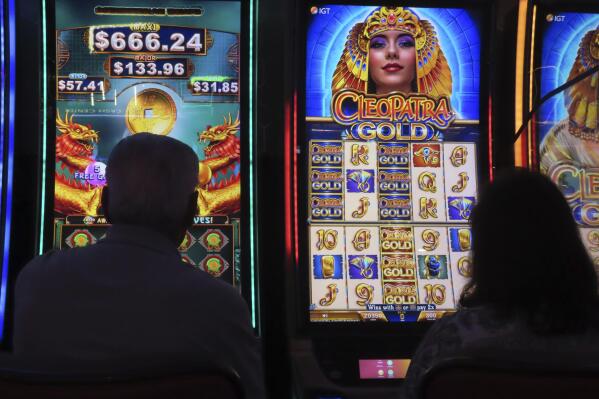
In ancient Rome, gambling became more structured, with the introduction of various games that gained popularity among the masses. Public games and betting on gladiatorial contests were commonplace, reflecting both the social dynamics of the time and the human fascination with risk. The Roman Empire’s expansive reach helped to spread these gambling practices across Europe, laying the groundwork for what would become a more formalized gambling culture in later centuries.
As we move through the Middle Ages, gambling practices transformed significantly. The prohibition of gambling by the Church during this era reflects the tension between morality and the human desire for risk and reward. Nevertheless, clandestine gambling persisted, indicating that despite societal restrictions, the allure of chance remained compelling. This period set the stage for future gambling developments, as regulations would later lead to the establishment of state-controlled gaming operations in various parts of Europe.
The Rise of Modern Gambling
The 17th and 18th centuries marked the emergence of modern gambling institutions, particularly in Europe. The establishment of state-sponsored lotteries and the first official gambling houses began to legitimize the practice. These developments were significant as they provided a regulated environment for gambling, attracting a more diverse group of players beyond the elite. The lottery became especially popular, often serving as a means for governments to raise revenue.
In addition to lotteries, this period also saw the creation of the first casinos. Venice’s Ridotto, established in 1638, was one of the earliest examples of a casino designed explicitly for gambling. It served as a prototype for later establishments, combining luxury with the thrill of chance. This transition from informal betting to structured gambling venues signified a cultural shift in how society perceived gambling, moving from a mere pastime to an organized form of entertainment.
The 19th century further revolutionized gambling with the advent of new games like poker and baccarat, which gained immense popularity in the United States and Europe. These games introduced elements of strategy and skill, attracting a wider audience. The Gold Rush era in America saw poker tournaments becoming a staple in mining towns, highlighting gambling’s role in shaping social interactions and community life. This burgeoning gambling culture laid the foundation for the modern casino experience we recognize today.
The Global Spread of Gambling
As the 20th century rolled in, gambling spread to new regions, fueled by technological advancements and globalization. The development of the internet transformed gambling once again, giving rise to online casinos and virtual betting platforms. This digital revolution made gambling accessible to a global audience, allowing players to engage in their favorite games from the comfort of their homes. Countries like the United Kingdom and Australia embraced this change, leading to the rapid growth of online gambling.
Different cultures adopted gambling in unique ways, often reflecting local traditions and values. For instance, in Japan, Pachinko parlors became popular, blending elements of slot machines and gaming, while in India, traditional games like Teen Patti gained prominence. These variations illustrate how gambling practices can be shaped by cultural context, highlighting the adaptability of gambling across the globe. The influence of local customs can often redefine how games are played and perceived in society.
As awareness of gambling addiction and its societal implications grew, many countries began implementing regulations and frameworks to ensure responsible gambling. Campaigns aimed at promoting safer gambling practices reflect a growing acknowledgment of the potential risks associated with this popular pastime. This balance between enjoyment and responsibility is crucial in shaping the future landscape of gambling around the world.
The Role of Technology in Gambling Evolution
The technological innovations of the last few decades have profoundly influenced the evolution of gambling practices. Mobile technology has particularly transformed how players engage with gambling, making it possible to place bets and play games on smartphones and tablets. This convenience has contributed to the increasing popularity of online betting and gaming, effectively bringing gambling to the fingertips of millions worldwide.
The rise of blockchain technology and cryptocurrencies has also begun to reshape gambling landscapes, ensuring transparency and security in transactions. This technology offers a level of anonymity that appeals to many players, while smart contracts can automate processes, making online gambling more efficient. As regulations around cryptocurrencies evolve, these innovations may redefine how players interact with gambling platforms.
Furthermore, advancements in virtual and augmented reality are starting to influence the casino experience. Immersive environments can replicate the excitement of physical casinos, providing an engaging alternative for those unable or unwilling to visit brick-and-mortar establishments. This convergence of technology and gambling will likely continue to shape the industry’s future, catering to a new generation of players seeking novel experiences.
Exploring Future Trends in Gambling
The future of gambling practices will likely be shaped by ongoing technological advancements and changing societal norms. As regulations evolve to keep pace with innovations, gambling may become more streamlined and accessible. The increasing integration of artificial intelligence in gaming platforms can lead to personalized experiences, tailoring games and promotions to individual players based on their preferences and behaviors.
Moreover, the emphasis on responsible gambling will continue to be a focal point for regulators and operators. Enhanced awareness of gambling addiction, combined with educational initiatives, will help promote healthier gambling habits. This commitment to social responsibility may influence the design of games and platforms, making them safer for all players.
As we look ahead, it is clear that the global landscape of gambling will continue to evolve, balancing tradition with innovation. The merging of cultural influences, technological advancements, and regulatory frameworks will shape how future generations experience gambling, ensuring it remains a dynamic and engaging form of entertainment.

Conclusion and Resources
Exploring the historical evolution of gambling practices reveals a complex interplay of cultural, social, and technological factors. From ancient rituals to modern online platforms, gambling has adapted to meet the changing desires of society. Understanding this evolution is crucial for anyone interested in the future of gambling, as it provides insights into emerging trends and the ongoing challenges faced by the industry.
For those looking to delve deeper into the world of gambling, various online resources and communities offer ample information. Engaging with platforms that focus on responsible gambling and innovation will enable players to navigate the evolving landscape safely and effectively. As the industry progresses, embracing both its history and future will ensure a comprehensive understanding of gambling worldwide.